Burkina Faso Detains Nigerian Military Personnel: Emergency Landing Ignites Diplomatic Tensions and Swift Resolution

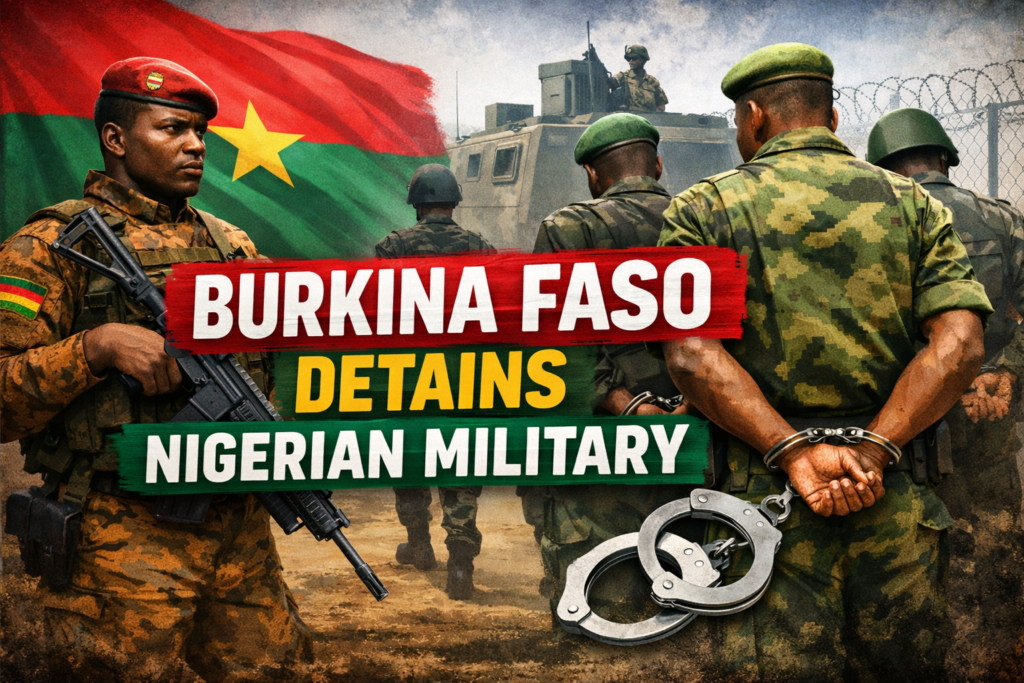
Burkina Faso Detains Nigerian Military Personnel
In a recent development that highlighted the fragile balance of international relations in West Africa, Burkina Faso detained 11 Nigerian military personnel following an emergency landing of a Nigerian Air Force aircraft. This incident, occurring in December 2025, drew widespread attention due to its implications for regional security and diplomacy. The event unfolded against a backdrop of political instability in the Sahel region, where military juntas and alliances are reshaping traditional power dynamics. This article explores the details of the detention, the underlying causes, diplomatic responses, and broader implications, providing a comprehensive analysis of how such occurrences affect interstate relations in Africa.
The Incident: Emergency Landing and Detention
The saga began when a Nigerian Air Force C-130 Hercules transport aircraft, en route to Portugal for routine maintenance, encountered adverse weather conditions and technical issues. Forced to make an unscheduled landing, the plane touched down at an airfield in Bobo-Dioulasso, Burkina Faso’s second-largest city. This precautionary measure, intended to ensure the safety of the crew and aircraft, quickly escalated into a diplomatic standoff.
Burkinabe authorities, under the leadership of Captain Ibrahim Traoré, promptly detained the 11 crew members, including pilots and support staff. The detention lasted approximately nine days, during which the personnel were held on suspicions of unauthorized airspace entry. Burkina Faso’s government, part of the Alliance of Sahel States (AES), viewed the landing as a potential violation of national sovereignty, especially amid heightened regional sensitivities to foreign military presence.

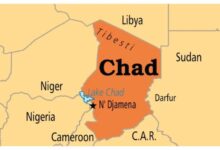


Key details of the incident include the aircraft’s origin from Nigeria and its intended destination in Europe. Nigerian officials emphasized that the landing adhered to international aviation protocols, prioritizing safety over territorial formalities. However, Burkina Faso’s military regime interpreted it differently, leading to the swift apprehension of the crew. This event not only disrupted the mission but also sparked concerns about the treatment of foreign military personnel in emergency situations.
The detention raised questions about protocol in such scenarios. International aviation rules, governed by bodies like the International Civil Aviation Organization (ICAO), allow for emergency landings without prior approval. Yet, in politically volatile regions like the Sahel, where jihadist insurgencies and coups have eroded trust, even routine actions can be misconstrued as threats.
Background on Burkina Faso’s Political Landscape
To understand why Burkina Faso reacted so decisively, it’s essential to delve into the country’s recent political history. Burkina Faso has been under military rule since a coup in September 2022, led by Captain Ibrahim Traoré. At just 37 years old, Traoré is the world’s youngest head of state, known for his charismatic leadership and pan-Africanist rhetoric. He rose to power amid widespread dissatisfaction with the previous regime’s handling of security threats from Islamist groups affiliated with Al-Qaeda and the Islamic State.
Traoré’s leadership style emphasizes sovereignty, anti-colonialism, and self-reliance. He has nationalized key industries, such as mining, to redirect resources toward national development. His administration has also distanced itself from traditional Western allies, notably France, expelling French troops and diplomats while forging closer ties with Russia for military support. This shift reflects a broader trend in the Sahel, where leaders seek alternatives to Western influence amid ongoing insurgencies.
Burkina Faso faces severe challenges, including terrorism that has displaced millions and strained resources. The military junta has prioritized counter-terrorism operations, often at the expense of civil liberties. Critics accuse Traoré of suppressing dissent, including journalists and opposition figures, while supporters hail him as a revolutionary figure akin to historical icons like Thomas Sankara, Burkina Faso’s former president assassinated in 1987.
In this context, the detention of Nigerian personnel can be seen as an assertion of authority. Traoré’s regime is keen to demonstrate control over its borders, especially in a region plagued by cross-border threats. The incident underscores how internal instability can spill over into international relations, affecting even neighboring countries like Nigeria.
Nigeria-Burkina Faso Relations: A Historical Overview
Nigeria and Burkina Faso have maintained diplomatic relations since Burkina Faso’s independence in 1960, with formal ties established in 1970. As members of the Economic Community of West African States (ECOWAS), both nations have collaborated on regional issues, including trade, security, and migration. Nigeria, Africa’s most populous country and a major oil producer, often plays a leading role in ECOWAS, contributing to peacekeeping missions and economic initiatives.
Historical ties are rooted in shared cultural and ethnic connections, with borders that facilitate movement and commerce. However, relations have not been without friction. In the 1980s, under Sankara’s leadership, Burkina Faso pursued radical reforms that sometimes clashed with Nigeria’s more conservative policies. More recently, Burkina Faso’s alignment with the AES has strained ties with ECOWAS, of which Nigeria is a key player.
Security cooperation has been a cornerstone. Both countries face threats from Boko Haram and other insurgent groups that operate across borders. Joint operations and intelligence sharing have been common, but the rise of military regimes in the Sahel has introduced new dynamics. Nigeria’s democratic government contrasts with Burkina Faso‘s junta, leading to differing approaches to regional governance.
The detention incident is not isolated; it reflects ongoing tensions. For instance, in 2023, ECOWAS imposed sanctions on Burkina Faso following the coup, which Traoré’s regime resented. Nigeria, as ECOWAS chair at times, has advocated for democratic restorations, putting it at odds with junta-led states. Despite this, economic interdependence—Nigeria exports goods to Burkina Faso, and both share the Lake Chad Basin for resources—necessitates amicable relations.
The Role of the Alliance of Sahel States
The Alliance of Sahel States (AES), formed in September 2023 by Burkina Faso, Mali, and Niger, plays a pivotal role in this incident. This confederation emerged as a mutual defense pact in response to perceived threats from ECOWAS, particularly after the Niger coup. The AES aims to foster military cooperation, economic integration, and a common currency, emphasizing sovereignty from Western and regional influences.
AES objectives include collective defense against external interventions and jihadist threats. The alliance has withdrawn from ECOWAS, criticizing it as a tool of foreign powers. In the context of the Nigerian aircraft incident, the AES framed the emergency landing as an infringement, amplifying Burkina Faso’s response. This collective stance underscores the alliance’s commitment to border security and anti-imperialism.
The AES has implications beyond the Sahel. It challenges ECOWAS’s authority and could inspire similar groupings elsewhere in Africa. For Nigeria, bordering Niger (an AES member), the alliance poses risks to trade and security. The detention highlighted how AES solidarity can escalate minor incidents into diplomatic crises, testing Nigeria’s foreign policy.
Critics argue the AES prioritizes regime survival over democratic norms, with joint withdrawals from institutions like the International Criminal Court (ICC) in 2025. Supporters see it as a step toward true African unity, free from neocolonialism. The incident with Nigeria illustrates the alliance’s growing assertiveness on the international stage.
Diplomatic Efforts and Resolution
Following the detention, Nigeria swiftly engaged in diplomacy. Foreign Affairs Minister Yusuf Tuggar led a high-level delegation to Ouagadougou, meeting with Traoré to negotiate the release. Tuggar emphasized shared ties and common security concerns, apologizing for the unauthorized entry while reiterating the emergency nature of the landing.
Key diplomatic statements included Tuggar’s assurance of constructive engagement and Traoré’s acknowledgment of longstanding relations. The talks resulted in an amicable resolution, with the crew released on December 17, 2025. Nigerian President Bola Tinubu reaffirmed commitment to bilateral ties, highlighting collaboration against terrorism.
The resolution demonstrates the effectiveness of dialogue in Africa. Despite initial tensions, both sides prioritized de-escalation, avoiding broader conflict. This approach aligns with African Union principles of peaceful dispute resolution. The incident also showcased Nigeria’s diplomatic prowess, leveraging its regional influence to secure a quick outcome.
Implications for Regional Security
The detention and release have far-reaching implications for West African security. It exposes vulnerabilities in aviation and military protocols amid regional instability. Future emergencies could face similar scrutiny, potentially endangering lives if detentions become normalized.
Security challenges in the Sahel, including insurgencies, require cross-border cooperation. Incidents like this could erode trust, hindering joint operations against terrorists. Nigeria’s Lake Chad Multinational Joint Task Force involves Burkina Faso indirectly, and strained relations might weaken such efforts.
On a broader scale, the event highlights the divide between ECOWAS and AES. As AES consolidates, it could lead to a fragmented West Africa, with competing alliances. This bifurcation risks exacerbating conflicts, as seen in Mali and Niger’s similar disputes with neighbors.
Economically, disruptions from such incidents affect trade. Nigeria’s exports to Burkina Faso, including petroleum products, could face barriers if tensions persist. Conversely, resolution strengthens confidence in diplomacy, potentially paving the way for enhanced cooperation.
Globally, the incident draws attention to Africa’s evolving geopolitics. With Russia gaining influence in the Sahel and Western powers retreating, Nigeria’s role as a stabilizing force becomes crucial. The event also underscores the need for updated international agreements on emergency military landings in sensitive regions.
Conclusion: Lessons Learned and Path Forward
The detention of Nigerian military personnel by Burkina Faso serves as a reminder of the complexities in African interstate relations. What began as a safety precaution evolved into a test of diplomacy, ultimately resolved through dialogue. It highlights the importance of clear communication and respect for sovereignty in a region grappling with insecurity and political transitions.
Moving forward, both nations should invest in protocols for handling similar incidents, perhaps through bilateral agreements or ECOWAS frameworks. Strengthening ties via joint security initiatives and economic partnerships will benefit the region. As Captain Traoré continues to shape Burkina Faso’s future and Nigeria navigates its leadership role, fostering mutual understanding is key to stability.
This episode, while tense, reinforces the resilience of African diplomacy. By addressing misunderstandings promptly, countries can build stronger alliances against common threats, ensuring a more secure and prosperous West Africa.