
NELFUND Portal: Ultimate Guide to Student Loan Application in Nigeria 2025
In the ever-evolving landscape of higher education in Nigeria, accessing financial support has become a critical factor for many aspiring students. With the rising costs of tuition, accommodation, and living expenses, the Nigerian Education Loan Fund (NELFUND) emerges as a beacon of hope. Established to bridge the gap in educational funding, the NELFUND portal serves as the central hub for students seeking interest-free loans to pursue their academic dreams. As we step into 2025, with the portal now open for the 2025/2026 academic session, this comprehensive guide will walk you through everything you need to know about the NELFUND portal—from its inception and eligibility requirements to a detailed application process, repayment terms, and expert tips for success. Whether you’re a fresh undergraduate or a continuing student in a public tertiary institution, understanding how to navigate this platform can unlock doors to affordable education and reduce financial burdens on families.
This article is designed to provide valuable insights into student loans in Nigeria, helping you make informed decisions. By the end, you’ll be equipped with the knowledge to apply confidently and maximize your chances of approval. Let’s dive into the details of this transformative initiative that has already disbursed billions in funding to thousands of students across the country.
What is NELFUND and Why Was It Created?
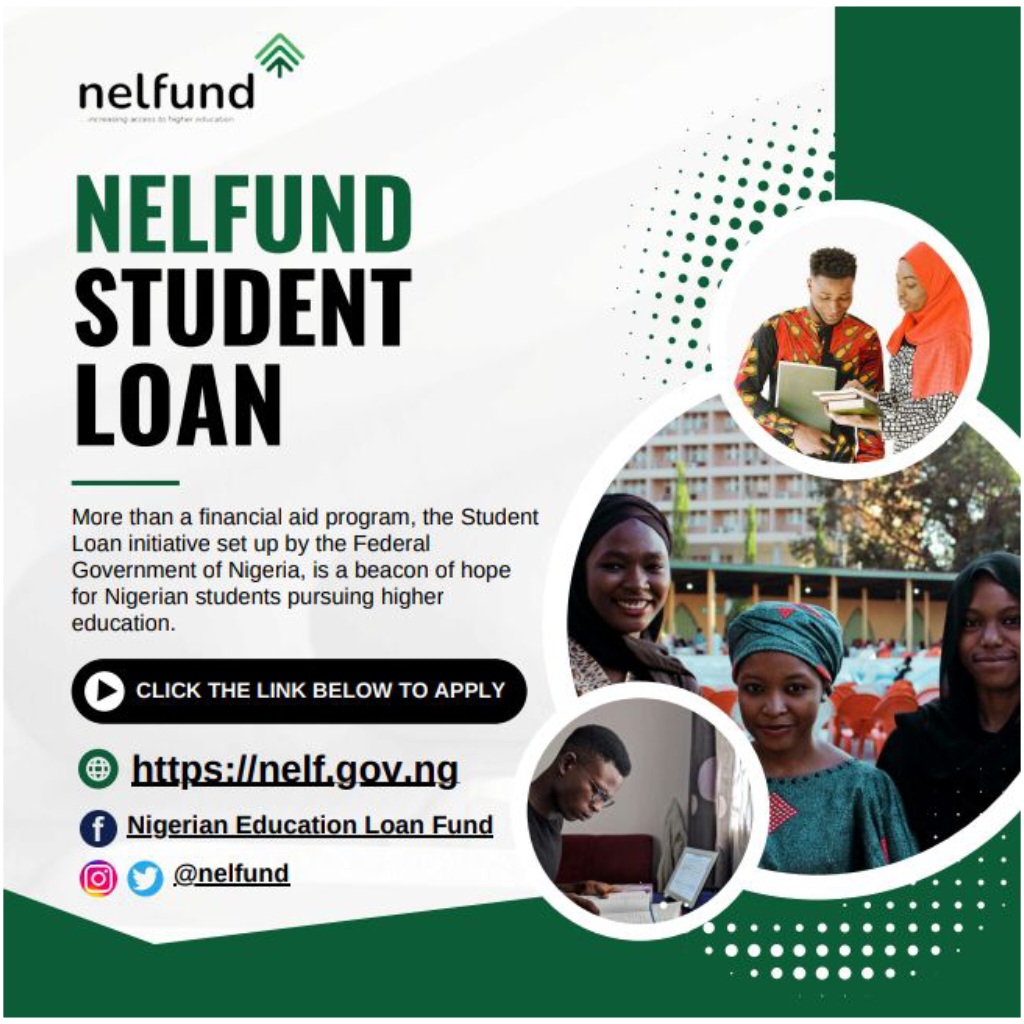
The Nigerian Education Loan Fund, commonly known as NELFUND, is a government-backed initiative aimed at democratizing access to higher education. Launched under the Student Loans (Access to Higher Education) Act of 2024, NELFUND replaces outdated frameworks like the Nigerian Education Bank and introduces a modern, efficient system for providing financial aid. The primary purpose is to offer zero-interest loans to eligible students, covering essential costs such as tuition fees and personal upkeep, thereby alleviating the financial strain that often hinders academic progress.



In Nigeria, where millions of young people aspire to tertiary education but face economic barriers, NELFUND plays a pivotal role. The fund is administered by a dedicated body led by a Managing Director appointed by the President, ensuring transparency and accountability. Since its inception, NELFUND has partnered with hundreds of institutions, registering nearly a million students and processing over a million loan applications. This initiative not only promotes equal opportunities but also invests in the nation’s future workforce by enabling more individuals to acquire skills and knowledge without the burden of high-interest debts.
One of the standout features of NELFUND is its focus on inclusivity. Unlike traditional loans that may require collateral or guarantors, this program eliminates such hurdles, making it accessible to a broader demographic. In 2025, with economic challenges like inflation affecting household budgets, NELFUND’s interest-free model is particularly appealing. It encourages enrollment in public universities, polytechnics, colleges of education, and vocational schools, fostering a more educated society. As the program expands, it plans to include all public tertiary institutions, starting with federal ones in its initial phases.
Understanding NELFUND’s creation involves recognizing the broader context of Nigeria’s education sector. With a growing youth population and a demand for skilled professionals in fields like technology, healthcare, and engineering, the government recognized the need for sustainable funding mechanisms. NELFUND addresses this by providing loans that are repaid post-graduation, creating a revolving fund that benefits future generations. This cyclical approach ensures long-term viability and underscores the commitment to educational equity.
Key Features of the NELFUND Student Loan Program
The NELFUND student loan program is distinguished by several innovative features that set it apart from conventional financing options. First and foremost, the loans are entirely interest-free, meaning borrowers only repay the principal amount borrowed. This eliminates the compounding interest that often plagues student debts in other countries, allowing graduates to focus on career building rather than financial stress.
Loans are categorized into two main components: institutional charges and upkeep allowances. Institutional charges cover tuition and other school-related fees, disbursed directly to the educational institution. The upkeep allowance, on the other hand, provides a monthly stipend of N20,000 to students during active academic sessions, helping with living expenses like food, transportation, and books. Importantly, students can opt for tuition loans without upkeep, but not vice versa, ensuring the program prioritizes educational costs.
Another key feature is the online application process through the dedicated NELFUND portal. This digital platform streamlines submissions, reducing paperwork and processing times. Disbursements occur within 30 days of approval, providing timely support. The program also incorporates safeguards against fraud, with strict eligibility checks and denial criteria for those with histories of default or misconduct.
In terms of scale, NELFUND has achieved remarkable milestones. By late 2025, it has onboarded over 280 institutions and disbursed more than N100 billion in loans, including billions for fees and allowances. This demonstrates the program’s efficiency and its growing impact on Nigeria’s education landscape. For students, these features translate to reduced dropout rates, improved academic performance, and greater focus on studies without the distraction of financial worries.
Eligibility Criteria for NELFUND Loans in 2025
To qualify for a NELFUND loan, applicants must meet specific criteria designed to ensure the funds reach deserving students. Primarily, the program is open to Nigerian citizens enrolled in or admitted to public tertiary institutions. This includes universities, polytechnics, colleges of education, and vocational schools. Both new entrants and continuing full-time students are eligible, provided they have a valid Joint Admissions and Matriculation Board (JAMB) registration number—a crucial requirement even for direct entry students.
There is no age restriction, making the loan accessible to mature students returning to education. Part-time students may also apply if they possess a JAMB number, broadening the program’s reach. Essential personal details required include the National Identification Number (NIN), Bank Verification Number (BVN), date of birth, and admission details. Applicants must also have a commercial bank account for stipend disbursements.
However, certain factors can lead to denial. These include prior defaults on loans from licensed financial institutions, submission of fraudulent documents, dismissal for examination malpractices, or convictions related to fraud, forgery, drug offenses, cultism, or dishonesty. NELFUND emphasizes integrity, and applicants are vetted thoroughly to maintain the program’s credibility.
For the 2025/2026 session, eligibility extends to all full-time students with verified institutional records. Institutions are responsible for uploading student data to the NELFUND verification system, so applicants should confirm their details are present before proceeding. This ensures a seamless application and highlights the collaborative effort between NELFUND and educational bodies.
Step-by-Step Guide to Registering on the NELFUND Portal
Getting started on the NELFUND portal is straightforward, but attention to detail is key. Begin by visiting the official portal at the designated web address. New users will need to create an account by providing verification details such as their institution’s name and matriculation number. This step checks if your school has uploaded your records—if not, contact your institution’s authorities to resolve the issue.
Next, authenticate your identity using JAMB details. Input your JAMB registration number, and if your NIN isn’t linked, provide it for validation. Once verified, enter a valid email address and create a strong password. Confirm the password and proceed to account creation. Check your inbox for a verification email from NELFUND and click the link to activate your profile.
After activation, update your contact information, including phone number, residential address, state, and local government area. Proceed to educational details, selecting your institution and entering your matriculation number accurately. Finally, input your BVN, select your bank, and provide your account number. Save changes to complete the setup. This registration process typically takes 15-30 minutes and sets the foundation for your loan application.
Detailed Application Process for NELFUND Student Loans
Once registered, applying for the loan is the next phase. Log in to your account and locate the “Request for Student Loan” button. Specify your needs by checking the appropriate boxes—remember, upkeep requires a tuition loan application. Continue to the upload section, where a scanned admission letter is mandatory for new students. Optionally, upload your student ID and institution’s invoice.
Acknowledge the policy declarations and proceed to review the loan overview. Agree to the terms, conditions, and Global Standing Instruction Mandate, then submit your application. Monitor your dashboard for status updates under the “Loans” section. If approved, you’ll receive notifications, and funds will be disbursed accordingly.
For returning students, applications must be renewed each academic session according to NELFUND’s calendar. The portal for the 2025/2026 session is open from October 23, 2025, to January 31, 2026, giving ample time to apply. Ensure all details are accurate to avoid delays or rejections.
Required Documents and Preparation Tips
Preparing your documents in advance is crucial for a smooth application. Essential items include your JAMB admission letter, NIN slip, BVN confirmation, and bank account details. Scan these clearly for upload. For new students, the admission letter is compulsory, while others may need to provide matriculation proofs.
Tips for preparation: Verify your institution’s data upload status early. Use a reliable internet connection during application to prevent interruptions. Double-check all entered information for accuracy, as discrepancies can lead to denial. If you’re unsure about any step, refer to the portal’s help sections or contact support via email.
Understanding Loan Amounts and Disbursement
Loan amounts are tailored to your institution’s charges. Tuition fees are paid directly to the school, while upkeep is disbursed monthly to your bank account during sessions. The N20,000 stipend supports daily needs but isn’t available during holidays. Disbursement timelines aim for within 30 days post-approval, ensuring funds arrive when needed.
Students should budget wisely, as the loan covers essentials but not luxuries. This structure promotes financial responsibility and aligns with NELFUND’s goal of sustainable education funding.
Repayment Terms and Responsibilities
Repayment begins two years after completing the National Youth Service Corps (NYSC). Employed beneficiaries have 10% of their salary deducted at source by employers. Self-employed individuals remit 10% of monthly profits. Early repayments are encouraged, and those relocating abroad must arrange modalities with NELFUND.
If unemployed after the grace period, submit a sworn affidavit every three months to defer repayment. Defaulting carries consequences like penalties and credit damage. Special cases, such as death or permanent disability, may qualify for loan forgiveness, providing a safety net.
Common Challenges and How to Overcome Them
Applicants may face issues like missing institutional records or verification failures. Overcome these by liaising with school officials and ensuring JAMB-NIN linkage. Technical glitches? Try different browsers or contact support. Denied applications can be appealed via the portal or email, with reapplication possible in future sessions after addressing issues.
Frequently Asked Questions About NELFUND Portal
Is there an interest on the loan? No, it’s zero-interest.
Can I apply if I’m a part-time student? Yes, with a JAMB number.
What if my application is denied? Appeal or reapply after fixing eligibility concerns.
How do I track my application? Via your portal dashboard.
Is a guarantor required? No.
Tips for a Successful NELFUND Loan Application in 2025
To boost your chances, start early within the open window. Ensure all documents are authentic and up-to-date. Stay informed via official channels for updates. Network with peers who’ve applied successfully for insights. Finally, view the loan as an investment in your future—use it responsibly.
Apply Now
Conclusion
The NELFUND portal represents a significant stride toward accessible higher education in Nigeria. By offering interest-free loans, it empowers students to pursue their goals without financial barriers. In 2025, with the portal active, seize this opportunity to apply and transform your educational journey. Remember, education is the key to progress—start your application today and step into a brighter future.