


How to Access Private Sector Grants for Small Businesses in Nigeria (2026 Guide) – Starting and scaling a small business in Nigeria is a bold endeavor. Between navigating infrastructure deficits, inflation, and unpredictable market dynamics, entrepreneurs face numerous hurdles. However, one of the most significant challenges remains access to capital. While commercial banks offer loans, the high-interest rates and stringent collateral requirements often make them inaccessible for micro, small, and medium enterprises (MSMEs). This is where private sector grants come into play. In this comprehensive 2026 guide, we will explore how to access private sector grants for small businesses in Nigeria, providing you with actionable strategies to secure equity-free funding.
Unlike loans, grants are essentially “free money” provided by private organizations, foundations, and corporate bodies to support business growth, drive innovation, and stimulate job creation. They do not require repayment, making them the ultimate financial catalyst for startups and scaling businesses. As we move deeper into 2026, corporate social responsibility (CSR) initiatives and private philanthropic efforts have intensified, opening up a wealth of opportunities for Nigerian entrepreneurs. Read on to discover the top available grants and master the application process to ensure your business is perfectly positioned for funding success.
The 2026 Landscape for Small Business Grants in Nigeria
The funding ecosystem for Nigerian MSMEs has evolved significantly over the past few years. In 2026, private sector grants are no longer just about handing out cash; they are structured as comprehensive accelerator programs. Donors now combine financial injections with intense capacity building, mentorship, and access to vast networking ecosystems. This paradigm shift ensures that the survival rate of funded businesses increases drastically, transforming local startups into globally competitive brands.
Furthermore, private organizations are increasingly collaborating with government bodies—such as the Small and Medium Enterprises Development Agency of Nigeria (SMEDAN) and the Bank of Industry (BOI)—to broaden their reach and formalize the funding framework. Focus areas for 2026 strongly emphasize technology adoption, climate change solutions, agricultural value chains, and women-led enterprises. If your business aligns with any of these critical verticals, your chances of securing private sector funding are exceptionally high.



Why Private Sector Grants Outperform Traditional SME Loans
Many founders exhaust their personal savings or rely heavily on family and friends before considering external funding. While bootstrapping is a commendable approach to maintaining business equity, private sector grants offer unparalleled and risk-free advantages:
- Zero Debt Burden: The most obvious benefit is that grants are non-repayable. This allows you to reinvest 100% of your profits back into business operations, marketing, and product development, rather than struggling to service high-interest debt each month.
- Credibility and Visibility: Winning a grant from a highly reputable organization like the Tony Elumelu Foundation or MTN Foundation instantly validates your business model. It serves as a badge of honor in the eyes of future investors, premium customers, and strategic partners.
- Expert Mentorship: Most private sector grants in 2026 come packaged with mandatory enterprise training. These programs pair you with industry veterans who can help you optimize your business structure, refine your go-to-market strategy, and avoid costly entrepreneurial mistakes.
- Milestone-Based Scaling: Modern grants often disburse funds in calculated tranches based on achievable milestones. This structured approach forces financial discipline, prevents capital mismanagement, and ensures operational efficiency.
Top Private Sector Grants Available in Nigeria (2026)
To save you the stress of endless research and verify legitimate opportunities, here are some of the most prominent private sector grants and funding initiatives available to Nigerian entrepreneurs in 2026:
1. The Tony Elumelu Foundation (TEF) Entrepreneurship Programme
The Tony Elumelu Foundation remains the gold standard for private sector philanthropy across Africa. Since its inception, TEF has empowered over 24,000 entrepreneurs, catalysing job creation and inclusive economic growth. In 2026, the foundation actively continues its mission, calling on ambitious founders from all 54 African countries.
- Funding Amount: $5,000 non-refundable seed capital.
- Eligibility: Open to all Nigerian entrepreneurs with highly scalable business ideas or early-stage startups operating for less than three years.
- Key Benefits: Beyond the financial injection, successful applicants undergo a rigorous 12-week business management training program, receive elite mentorship, and gain lifetime access to the TEFConnect network, Africa’s largest digital hub for entrepreneurs.
2. MTN Foundation and BOI Y’ellopreneur Initiative
In a massive boost for female founders, the MTN Foundation, in a strategic partnership with the Bank of Industry (BOI), launched a landmark N1 Billion Matching Fund under the Y’ellopreneur 3.0 program. This initiative is heavily tailored to combat the financial exclusion of women operating at the base of the economic pyramid.
- Funding Goal: Expanding direct access to finance and customized capacity-building support specifically for women-led microenterprises across all Nigerian states.
- Impact Target: The initiative aims to build formidable business capacity for 30,000 female-led enterprises by 2030, while simultaneously providing structured access to capital for 10,000 viable women-owned businesses.
- Eligibility: Female entrepreneurs operating viable, unregistered or registered micro and small businesses who typically lack the collateral demanded by traditional banks.
3. FATE Foundation Small Business Grants
FATE Foundation has a long-standing and prestigious history of supporting Nigerian SMEs. Often partnering with global tech giants like Meta, FATE provides substantial financial support seamlessly combined with advanced digital skills training to ensure businesses can leverage the modern internet economy.
- Funding Amount: Grants typically range from ₦200,000 to ₦1,000,000 depending on the specific tier and the entrepreneur’s performance.
- Eligibility: Usually targeted at alumni of their Aspiring Entrepreneurs Programme (AEP) or specific intensive digital training cohorts.
- Evaluation Criteria: High emphasis is placed on business viability, current market traction, tangible job creation, and the innovative use of digital marketing tools (like WhatsApp Business and Instagram) to scale revenue.
4. The SME Mall Grants
The SME Mall is a prominent private platform that periodically runs various specialized grant competitions. One of their most popular initiatives in 2026 is the Women in Business Grant Competition, which is meticulously designed to help emerging businesses transition from the informal sector to fully formalized, scalable operations.
- Funding Amount: Direct financial grants ranging from ₦300,000 to ₦1,000,000.
- Key Benefits: Winners receive direct financial support, extensive business development training, market access facilitation, and comprehensive brand exposure across multiple media platforms.
5. Bet9ja Foundation Entrepreneurship Programs
Operating far beyond its core commercial gaming business, the Bet9ja Foundation has aggressively stepped into the corporate social responsibility space. They actively fund promising Nigerian entrepreneurs across diverse economic sectors. Their 2026 programs are specifically looking for businesses that integrate a robust social impact component alongside significant youth job creation potential.
Core Eligibility Criteria: What Private Donors Demand in 2026
Before you rush to submit an application, it is critical to understand that grant organizations are highly risk-averse. They want to ensure their funds are utilized effectively to generate maximum economic impact. Here is what you need to meet the standard 2026 funding criteria:

- Corporate Affairs Commission (CAC) Registration: In 2026, an unregistered business is largely an unfundable business. You must have a registered Business Name or a Limited Liability Company (LLC) fully incorporated with the CAC. Additionally, obtaining your Tax Identification Number (TIN) from the FIRS is a strict mandatory requirement.
- Scalability and Viability: Donors want to fund businesses that can grow exponentially rather than remain stagnant. You must prove that your business model is sustainable, highly profitable, and capable of eventually expanding beyond your immediate local community.
- Clear Social Impact: Private sector grants increasingly favor businesses that solve tangible real-world problems. Does your business reduce carbon emissions? Does it empower marginalized women? Does it create sustainable jobs for the youth? Highlighting your social impact drastically improves your chances of being shortlisted.
- Impeccable Financial Records: If your business is already operational, you must show clear, organized financial records. Mixing personal funds with business funds is a major red flag for donors. You need a dedicated corporate bank account equipped with verifiable cash flow statements and realistic financial projections.
Step-by-Step Guide: How to Apply and Secure Private Sector Funding
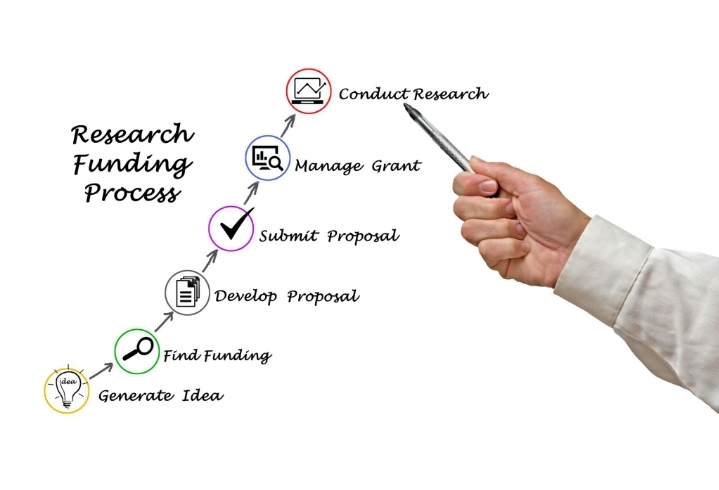
Winning a private sector grant is incredibly competitive. Thousands of Nigerian entrepreneurs apply for the exact same limited spots. To stand out from the crowd, you must treat the application process like a high-stakes investor pitch. Follow these crucial steps meticulously:
Step 1: Develop a Comprehensive and Data-Driven Business Plan
Your business plan is the absolute backbone of your grant application. It must clearly outline your executive summary, target market demographics, competitive landscape analysis, operational strategy, and realistic financial projections for the next three to five years. Donors want to see that you have thoroughly thought through every single aspect of your enterprise. Use credible data to back up your claims regarding market size and customer demand in Nigeria.
Step 2: Align Your Goals with the Grant Provider’s Mission
Every private sector organization has an underlying, specific motive for giving out grants. For instance, the MTN Y’ellopreneur program focuses strictly on female empowerment and digital inclusion. If you are applying for this specific fund, your proposal must heavily emphasize how your business supports and uplifts women. Always tailor your application to perfectly mirror the exact corporate objectives of the donor.
Step 3: Craft a Compelling Narrative and Pitch
Facts and financial figures are necessary, but emotional stories are what truly win grants. You need to craft a highly compelling narrative about exactly why you started the business, the specific socioeconomic problem you are solving in Nigeria, and the lives you are positively impacting daily. If the application requires a pitch video (which has become a standard practice in 2026), ensure excellent lighting, clear audio, and speak with absolute passion, clarity, and conviction.
Step 4: Prepare a Realistic and Itemized Budget
When a grant application inevitably asks, “What will you do with the funds?”, never give vague or generalized answers like “business expansion” or “working capital.” Be extremely specific. Provide a detailed, itemized breakdown. For example: “₦500,000 for purchasing a heavy-duty industrial sewing machine, ₦300,000 for targeted digital marketing, and ₦200,000 for bulk raw material procurement.” A transparent budget instantly builds donor trust.
Step 5: Review, Edit, and Submit Ahead of Time
Grammatical errors, missing document attachments, and incomplete form fields will result in immediate disqualification. Have an experienced mentor or a professional grant writer review your proposal before hitting submit. Furthermore, never wait until the deadline day to submit your application. Unpredictable Nigerian internet networks and last-minute server downtimes have cost many excellent entrepreneurs their chance at life-changing funding.
Critical Mistakes to Avoid During the Application Process
To ensure your application survives the rigorous initial screening phase, avoid these common, yet fatal, pitfalls:
- Applying for the Wrong Grant: Do not waste valuable time applying for a specialized tech grant if you are operating strictly in the traditional retail sector, unless you are actively building a tech-enabled retail solution. Read the eligibility criteria very carefully.
- Falsifying Information: Never inflate your revenue figures, fake your traction, or claim to have employees that do not exist. Due diligence in 2026 is incredibly rigorous, and any falsehood discovered will lead to an immediate, lifetime ban from the donor’s entire funding network.
- Ignoring the Feedback Loop: Many modern platforms provide structured feedback even if you are not selected for funding. Use this invaluable feedback to refine your business model and significantly improve your next application. Remember, rejection is merely redirection in the grant-seeking journey.
Conclusion: Your Next Steps to Securing Free Business Funding
Accessing private sector grants for small businesses in Nigeria in 2026 requires intense preparation, strategic patience, and relentless persistence. The funding is undoubtedly available, and the organizations are eager to disburse it to ambitious founders who show genuine promise, integrity, and scalability. Start right now by fully formalizing your business with the CAC, refining your business plan, maintaining clean financial records, and keeping a close watch on platforms like TEFConnect and the SME Mall for open application windows. By treating the grant application process as a core, ongoing part of your business development strategy, you will position your SME for sustainable growth and long-term success in the highly dynamic Nigerian economy.