
2026 Full Moon Calendar: Dates, Names, Supermoons, Eclipses, and Celestial Wonders

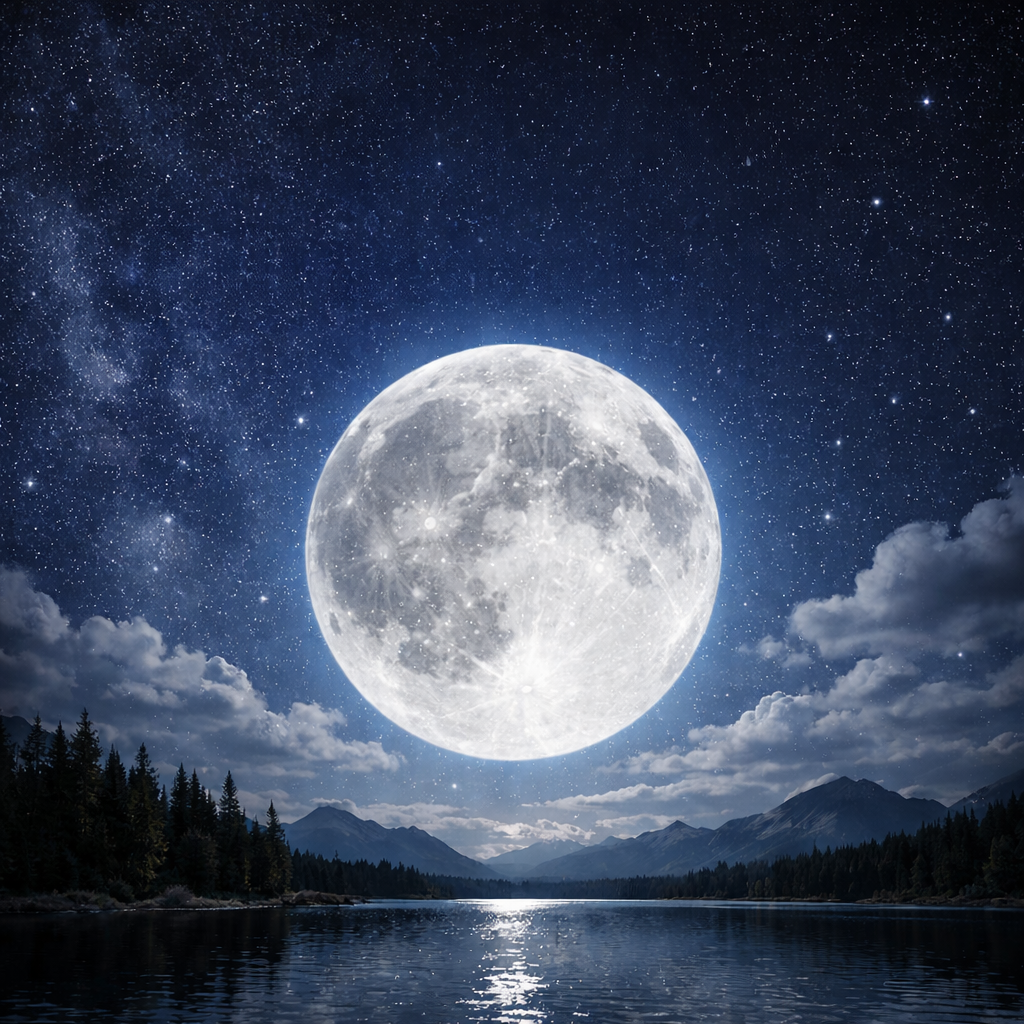
2026 Full Moon Calendar
The year 2026 is set to dazzle skywatchers with a spectacular array of lunar events. With a total of 13 full moons gracing the night sky, including three supermoons, a rare blue moon, and two captivating lunar eclipses, there’s plenty to look forward to for astronomy enthusiasts, nature lovers, and anyone who appreciates the beauty of the cosmos. This comprehensive guide explores everything you need to know about the 2026 full moons, from their exact dates and traditional names to their cultural significance, astronomical details, and tips for optimal viewing. Whether you’re planning a moonlit hike, a photography session, or simply want to align your activities with lunar cycles, this full moon calendar for 2026 will serve as your ultimate resource.
Full moons have fascinated humanity for millennia, influencing everything from ancient myths and agricultural practices to modern wellness routines and scientific research. In 2026, the lunar calendar stands out due to its extra full moon – a phenomenon that occurs because the lunar cycle is approximately 29.5 days, occasionally leading to two full moons in a single month. This guide is designed to help you navigate these celestial highlights, ensuring you don’t miss a single moment of lunar magic. We’ll delve into the origins of full moon names, highlight special events like supermoons and eclipses, and provide practical advice for observing and photographing these wonders.
What Is a Full Moon and Why Does It Matter?
A full moon occurs when the Earth is positioned directly between the Sun and the Moon, allowing the Sun’s rays to fully illuminate the Moon’s surface facing our planet. This alignment happens roughly every 29.5 days, creating the bright, round orb we associate with nighttime romance, werewolf legends, and harvest festivals. Astronomically, full moons are key points in the lunar phase cycle, marking the peak of the Moon’s waxing period.



Beyond science, full moons hold profound cultural and spiritual importance across the globe. In many indigenous traditions, they signal seasonal changes and guide planting or hunting schedules. For instance, Native American tribes named full moons based on natural phenomena occurring at that time, a practice that has influenced modern nomenclature. In astrology, full moons are seen as times of culmination, release, and heightened emotions, often inspiring rituals for manifestation or letting go. In 2026, with an extra full moon adding to the lineup, these events offer more opportunities for reflection, celebration, and connection with the natural world.
From a practical standpoint, full moons enhance outdoor activities by providing natural illumination, making them ideal for night hikes, beach walks, or stargazing sessions. They also impact tides, with higher “spring tides” during full and new moons, which can affect coastal ecosystems and fishing. Understanding the 2026 full moon schedule allows you to plan around these influences, whether for travel, gardening, or personal wellness practices.
Origins and Meanings of Full Moon Names
The poetic names given to full moons originated primarily from Native American, Colonial American, and European folklore, reflecting the seasonal activities, weather patterns, and natural events of the time. These names vary by region and culture but have been standardized in popular almanacs. For example, the Wolf Moon in January evokes images of wolves howling in the winter cold, while the Strawberry Moon in June signals the ripening of wild berries.
These designations aren’t just quaint labels; they carry deep symbolic meanings. In Chinese culture, the full moon in August is celebrated during the Mid-Autumn Festival with mooncakes and family gatherings. Hindu traditions honor full moons with festivals like Karva Chauth, where women fast for their spouses’ well-being. Celtic lore associates full moons with druidic rituals and harvest blessings. By exploring these names in the context of 2026’s full moons, we can appreciate how lunar cycles intertwine with human history and spirituality, fostering a sense of timeless connection to the universe.
In modern times, these names have evolved to include astronomical terms like “supermoon” – when the full moon coincides with the Moon’s closest approach to Earth (perigee) – making it appear larger and brighter. Conversely, a “micromoon” occurs at the Moon’s farthest point (apogee). A “blue moon” refers to the second full moon in a calendar month, adding rarity to the schedule. 2026 features all these variations, making it a particularly noteworthy year for lunar observers.
Complete List of 2026 Full Moon Dates and Details
Here’s a month-by-month breakdown of all 13 full moons in 2026, including their dates, traditional names, and unique features. Each entry highlights what makes that particular full moon special, from astronomical phenomena to viewing tips.
January 3, 2026: Wolf Supermoon
Kicking off the year with a bang, the Wolf Supermoon on January 3 is the first of three supermoons in 2026. Named for the howling wolves heard during harsh winter nights, this full moon will appear exceptionally large and bright as it reaches perigee. It’s the fourth in a series of consecutive supermoons starting from late 2025, creating a stunning visual treat. Skywatchers in the Northern Hemisphere can expect crisp, clear views if weather permits, ideal for winter photography. This supermoon’s proximity to Earth – about 221,500 miles away – enhances its glow, potentially illuminating snowy landscapes like a natural spotlight.
February 1, 2026: Snow Moon
The Snow Moon rises on February 1, evoking the heavy snowfalls typical of mid-winter in the Northern Hemisphere. This full moon is associated with introspection and preparation, as animals and people alike hunker down against the cold. Without any special designations like super or micro, it’s a classic full moon perfect for cozy indoor observations through windows or telescopes. In folklore, it’s a time for storytelling around fires, blending warmth with the chill of the night sky.
March 3, 2026: Worm Moon
March’s Worm Moon on the 3rd brings the promise of spring, named for earthworms emerging from thawing soil. This year, it’s extraordinary due to a total lunar eclipse, turning the Moon a reddish “blood moon” for about 58 minutes during totality. Visible from western North America, the Pacific, East Asia, Australia, and New Zealand, this eclipse is the last total one until late 2028. The event adds a layer of drama, with the Moon passing through Earth’s shadow, offering a rare chance to witness celestial mechanics in action.
April 1, 2026: Pink Moon
The Pink Moon on April 1 heralds spring’s full arrival, inspired by the blooming of wild ground phlox flowers. As the first full moon after the vernal equinox, it symbolizes renewal and growth. Gardeners often use this moon as a signal to plant hardy crops. In 2026, it rises without eclipses or super status, but its soft pinkish hue at moonrise can create magical photo opportunities, especially over blooming landscapes.
May 1, 2026: Flower Moon
May’s first full moon, the Flower Moon on May 1, celebrates the profusion of blossoms in spring. It’s a time of fertility and abundance in nature, with fields and gardens bursting into color. This moon encourages outdoor activities like picnics under its light, and in spiritual practices, it’s linked to manifestation rituals. As the precursor to May’s blue moon, it sets the stage for a double lunar treat.
May 31, 2026: Blue Moon (Micromoon)
The rare Blue Moon on May 31 is the second full moon of the month, a phenomenon not seen since August 2024. Also a micromoon, it appears slightly smaller and dimmer due to its position at apogee. Despite the name, it won’t actually look blue unless atmospheric conditions like wildfires create that effect. This monthly blue moon adds excitement to spring’s end, perfect for themed parties or astronomical discussions.
June 29, 2026: Strawberry Moon (Micromoon)
June’s Strawberry Moon on the 29th signals the start of summer berry harvesting. As a micromoon, it’s farther from Earth, but still radiant in the shortening nights. Named for ripening strawberries, it’s tied to abundance and sweetness in life. In 2026, it rises during warmer weather, ideal for beach bonfires or midnight swims under its glow.
July 29, 2026: Buck Moon (Micromoon)
The Buck Moon on July 29 is named for male deer growing new antlers, symbolizing growth and vitality. Another micromoon, it appears in the heart of summer, when nights are balmy and fireflies dance. This full moon inspires adventures like camping trips, where its light enhances the wilderness experience without needing artificial illumination.
August 28, 2026: Sturgeon Moon
August’s Sturgeon Moon on the 28th, named for abundant fish in lakes, coincides with a deep partial lunar eclipse. About 96% of the Moon will darken to a rusty red, with a thin bright sliver remaining, visible from the Americas, Europe, and Africa. This near-total eclipse makes it a must-see event, blending folklore with modern astronomy.
September 26, 2026: Harvest Moon
The Harvest Moon on September 26 is the full moon closest to the autumn equinox, providing extra light for farmers gathering crops. In 2026, it shines near Saturn, adding a planetary companion to the view. This moon’s warm, orange rise is iconic, symbolizing gratitude and preparation for winter.
October 26, 2026: Hunter’s Moon
October’s Hunter’s Moon on the 26th follows the Harvest Moon, lighting the way for hunters tracking game in fallen leaves. It’s a time of transition, with cooler nights and vibrant foliage. In folklore, it’s associated with stocking up for winter, making it a reflective period under the autumn sky.
November 24, 2026: Beaver Supermoon
The Beaver Supermoon on November 24 is the second supermoon of the year, named for beavers building dams before winter. Its enhanced size and brightness illuminate late-fall landscapes, perfect for Thanksgiving gatherings or quiet contemplation.
December 24, 2026: Cold Supermoon
Closing the year, the Cold Supermoon on December 24 falls on Christmas Eve, the closest full moon to Earth since 2019. Named for the onset of deep winter cold, it’s the biggest and brightest of 2026, creating a festive lunar backdrop for holiday celebrations.
Supermoons in 2026: Bigger and Brighter Lunar Displays
Supermoons occur when the full moon aligns with perigee, making the Moon appear up to 14% larger and 30% brighter. In 2026, three such events – January’s Wolf, November’s Beaver, and December’s Cold – promise stunning visuals. These are best viewed from dark locations away from city lights, using binoculars or telescopes for enhanced detail. Photographers can capture the “moon illusion” at rise or set, when it seems enormous near the horizon. Supermoons also amplify tidal forces, potentially leading to higher king tides, which coastal dwellers should note.
Lunar Eclipses in 2026: Shadow Plays in the Sky
Two lunar eclipses highlight 2026: a total one on March 3 during the Worm Moon and a deep partial on August 28 with the Sturgeon Moon. During a total eclipse, the Moon turns red as sunlight filters through Earth’s atmosphere. The March event’s 58-minute totality offers ample time for observation, while August’s 96% coverage creates a dramatic, asymmetrical shadow. These eclipses are safe to view with the naked eye and provide educational opportunities about orbital mechanics.
How to Observe and Photograph Full Moons in 2026
Observing full moons requires minimal equipment – just clear skies and a good vantage point. For best results, head to rural areas to escape light pollution. Use apps like Stellarium or SkySafari to track moonrise times. Photography tips include using a tripod, long exposure for details, and wide-angle lenses to include landscapes. Experiment with filters to reduce glare. Safety first: never look directly at the Sun during eclipses, but full moons are harmless.
Astrological and Spiritual Significance of 2026 Full Moons
In astrology, each full moon falls in a zodiac sign, influencing energies. For example, January’s Wolf Supermoon in Cancer emphasizes home and emotions. The blue moon in May amplifies Gemini’s communicative vibes. Spiritual practices like moon bathing, journaling, or crystal charging harness these energies for personal growth. With 13 moons, 2026 offers abundant chances for intention-setting and release rituals.
Cultural and Historical Importance of Full Moons
Throughout history, full moons have shaped calendars, festivals, and myths. From Stonehenge alignments to werewolf tales, they inspire awe. In 2026, aligning with holidays like Christmas Eve adds cultural layers. Globally, they unite people in shared wonder, reminding us of our place in the vast universe.
In conclusion, the 2026 full moon calendar is packed with celestial highlights that blend science, culture, and spirituality. Mark your calendars for these dates and prepare to be amazed by the Moon’s enduring magic. Whether viewing alone or with loved ones, these events foster a deeper appreciation for the night sky.