
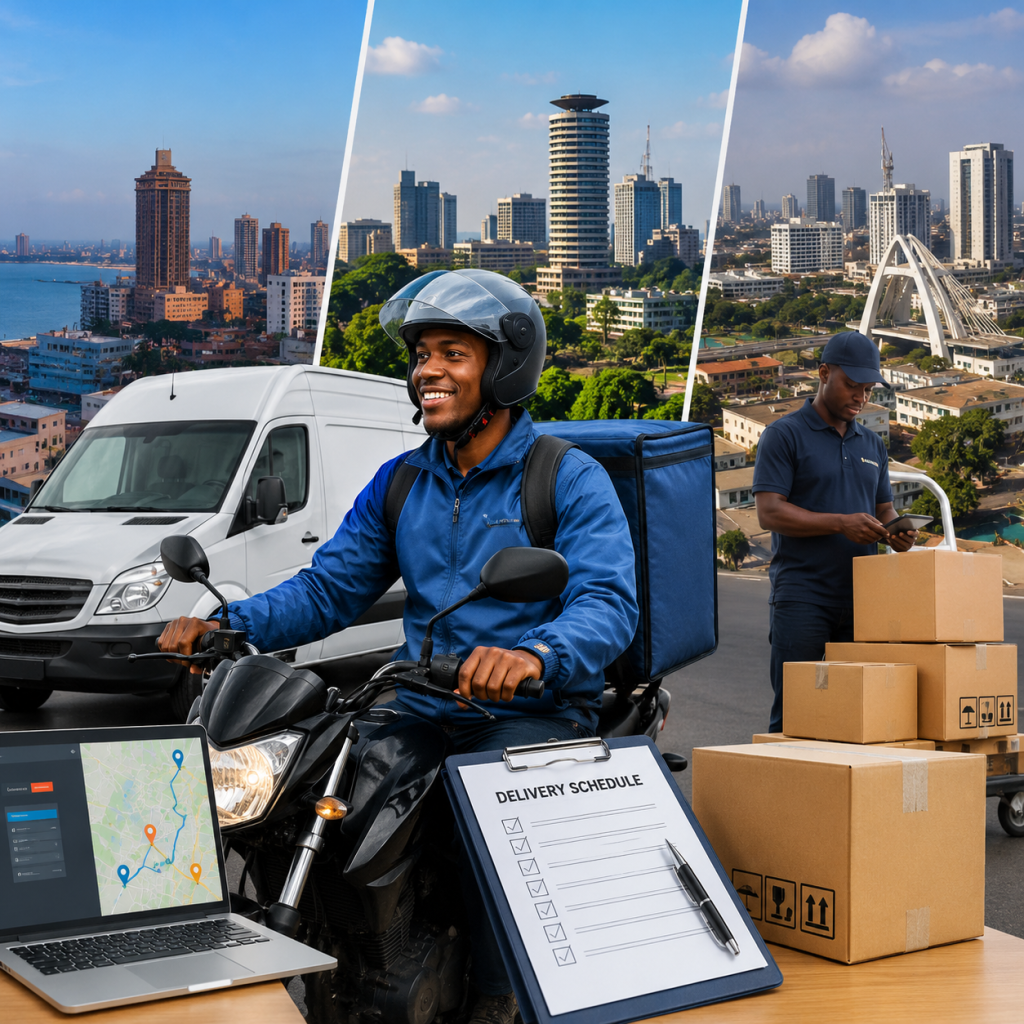
Part-Time Logistics & Dispatch Rider Jobs in Accra, Nairobi & Lagos
The urban landscapes of Africa are rapidly transforming, driven by a massive surge in smartphone penetration, a youthful population, and a rapidly expanding middle class. Across the continent’s major economic hubs, the demand for instant gratification—whether it is a hot meal, a fresh pair of sneakers, or urgent corporate documents—has skyrocketed. This e-commerce and delivery boom has created a massive, decentralized workforce, turning part-time logistics and dispatch riding into one of the most viable and accessible side hustles available today. If you live in Accra, Nairobi, or Lagos, the streets are quite literally paved with opportunities to generate extra income.
Stepping into the gig economy as a dispatch rider is no longer just a temporary gig for the unemployed. It has evolved into a strategic secondary income stream for students, 9-to-5 corporate workers looking to monetize their weekends, and entrepreneurs funding their primary ventures. However, succeeding in this fast-paced environment requires more than just owning a motorcycle and downloading an app. You need an intimate understanding of your city’s traffic rhythms, a mastery of customer service, and the ability to navigate local regulations. This comprehensive guide will walk you through everything you need to know about securing and thriving in part-time dispatch rider jobs across three of Africa’s most dynamic cities.
Why the Logistics Hustle Makes Sense Today
Before diving into the specific city requirements, it is crucial to understand why this particular sector is drawing so much interest. Across Ghana, Kenya, and Nigeria, economic fluctuations and inflation have made relying on a single source of income increasingly risky. A side hustle provides a financial buffer, but many side hustles require significant upfront capital or months of training. Delivery riding bypasses these barriers.
- Unmatched Autonomy: Unlike traditional part-time jobs that require you to clock in at specific hours, app-based logistics allows you to be your own boss. You can turn on the app during your evening commute, dedicate your Saturday mornings to food delivery, or simply work when you need quick cash.
- Immediate Cash Flow: Many platforms offer weekly payouts, while some allow for daily cash-outs. Furthermore, handling cash-on-delivery orders often means you have liquid cash in your pocket at the end of every shift.
- Low Barrier to Entry: If you already own a motorcycle (or even a bicycle in certain districts) and possess a valid driver’s license, your startup costs are minimal. Even if you do not own a vehicle, many fleet management companies lease bikes to reliable riders on a weekly basis.
The Dispatch Rider Landscape in Accra, Ghana
Accra is a city of beautiful contrasts, where the bustling markets of Makola coexist with the upscale eateries of Osu and Cantonments. The logistics market here has seen steady, organized growth. Unlike the chaotic transport scenes in some neighboring countries, Accra’s delivery ecosystem is heavily influenced by international players and innovative local startups.



Navigating the Accra Market
As a part-time rider in Accra, your experience will largely depend on the platform you choose and the areas you frequent. Food delivery peaks around lunchtime in the central business districts and during the evenings in residential areas like East Legon and Spintex. Parcel delivery, on the other hand, is generally spread throughout standard business hours. Thanks to the introduction of the GhanaPostGPS digital addressing system, locating customers has become significantly easier, though you will still encounter the classic African navigation technique of relying on landmarks like “the blue kiosk near the waakye seller.”
Essential Requirements for Accra Riders
Ghanaian authorities have tightened regulations to ensure safety and accountability in the delivery sector. To get started, you will typically need:
- The Ghana Card: This is now the ultimate form of identification in the country and is strictly required by all legitimate delivery platforms.
- Valid DVLA License: You must possess a valid motorcycle riding license issued by the Driver and Vehicle Licensing Authority (DVLA).
- Vehicle Documentation: If you own the bike, you need the roadworthy certificate and a valid insurance policy.
- Smartphone and Power Bank: A reliable Android or iOS device with active data and a strong power bank to keep you online during long shifts.
Top Platforms to Join in Accra
There is a healthy mix of food and parcel delivery platforms in the Ghanaian capital.
1. Bolt Food: Bolt has a massive presence in Accra. As a courier partner, you can deliver food on your own schedule. They frequently offer multiplier bonuses during peak hours and rainy days, making it highly lucrative for part-timers who are willing to brave the elements.
2. GlobeSwiftGo: A rapidly growing local favorite, GlobeSwiftGo provides same-day parcel delivery and business logistics. They boast over 50,000 customers and offer their riders competitive earnings, weekly payouts, and full platform support. They are an excellent option if you prefer handling parcels over hot food.
3. BagyesRUSH: This domestic courier company connects users to dispatch riders for delivering anything from electronics to documents and clothes. They emphasize professional training and polite customer interactions, offering a steady stream of daily orders.
The Dispatch Rider Landscape in Nairobi, Kenya
Nairobi, fondly known as the Silicon Savannah, is a tech-forward metropolis with a deeply ingrained delivery culture. The “boda-boda” (motorcycle taxi) is the lifeblood of Nairobi’s transport system. For a part-time logistics rider, this means you are entering an environment where consumers already inherently trust and rely on two-wheeled delivery solutions.
Navigating the Nairobi Market
Nairobi’s traffic can be legendary, particularly on routes like Mombasa Road, Thika Superhighway, and Waiyaki Way. However, a motorcycle allows you to bypass the gridlock. The market here is highly segmented. You have expatriate and affluent neighborhoods like Kilimani, Lavington, and Karen where food and grocery delivery apps thrive, and you have bustling commercial zones like the CBD and Westlands where document and parcel logistics dominate.
An emerging and highly profitable trend in Nairobi is the shift towards Electric Vehicles (EVs). Companies like Roam and Ampersand are flooding the city with electric motorcycles. For a part-time rider, renting or financing an EV bike drastically cuts down on daily fuel costs and maintenance, significantly widening your profit margins.
Essential Requirements for Nairobi Riders
Kenya places a strong emphasis on security and background checks. The onboarding process can be slightly more rigorous than in other regions.
- National ID and KRA PIN: Standard identification and tax registration are mandatory.
- NTSA Driving License: You must have a valid driving license endorsed for motorcycles by the National Transport and Safety Authority.
- Certificate of Good Conduct: Issued by the Directorate of Criminal Investigations (DCI), this document is non-negotiable for almost all major platforms to ensure customer safety.
- Motorcycle Insurance: Comprehensive or third-party insurance, depending on the platform’s specific requirements.
Top Platforms to Join in Nairobi
Nairobi offers diverse avenues for delivery jobs, from global giants to niche local businesses.
1. Glovo Kenya: Glovo is incredibly popular in Nairobi, delivering everything from restaurant meals to pharmacy items. The Glovo Rider app provides access to loyalty programs, insurance, and flexible scheduling. Their multi-category approach means you are less likely to experience downtime.
2. Uber Eats: A global standard, Uber Eats remains a strong contender for part-time riders in Nairobi, offering reliable app infrastructure and a massive customer base.
3. Niche E-commerce (e.g., Petsasa): Specialized retailers often hire their own fleet of part-time or full-time riders to ensure quality control. For example, Petsasa, a prominent pet store, frequently recruits riders to deliver pet supplies across Nairobi and surrounding towns like Ruaka and Syokimau. This type of role often offers more predictable routes compared to random app-assigned food deliveries.
The Dispatch Rider Landscape in Lagos, Nigeria
Welcome to Lagos, the ultimate test of a hustler’s grit. Delivering in Lagos is not for the faint of heart; it requires sharp reflexes, immense patience, and street smarts. With over 20 million residents, the sheer volume of daily transactions makes it the most lucrative market on the continent for logistics—if you know how to navigate the system.
Navigating the Lagos Market
The Lagos market is broadly divided into the Mainland (Ikeja, Yaba, Surulere) and the Island (Victoria Island, Lekki, Ikoyi). Moving between these two zones usually means crossing the Third Mainland Bridge or the Lekki-Ikoyi Link Bridge. Many part-time riders prefer to geofence themselves—sticking strictly to either the Island or the Mainland to maximize turn-around times and avoid being trapped in unpredictable gridlock.
Furthermore, the Lagos State Government strictly regulates motorcycles. General “Okadas” are banned in several major local governments, but official corporate dispatch riders (using bikes typically 200cc and above with branded delivery boxes) are legally permitted to operate. This creates a massive moat and high demand for registered dispatch riders.
Essential Requirements for Lagos Riders
Lagos is notorious for its bureaucratic paperwork. To operate smoothly without harassment from traffic management agencies (LASTMA) or transport unions, you need a comprehensive folder of documents.
- LASDRI Card: The Lagos State Drivers’ Institute card is mandatory for all professional drivers and riders in the state.
- Proof of Ownership and Vehicle License: Standard allocation of registration numbers and receipts.
- State Carriage and Hackney Permits: Essential for vehicles used for commercial logistics within the state.
- Local Government Papers: Tickets and badges specific to the local governments you operate in.
- Guarantors: Most platforms require two verifiable guarantors as a security measure against theft or abscondment.
Top Platforms to Join in Lagos
The tech ecosystem in Lagos has produced some of the most aggressive and successful logistics platforms in Africa.
1. Kwik Delivery: Focused heavily on B2B logistics, parcels, and document delivery, Kwik is an excellent platform for riders who want professional clientele. They require a strict technical check of your motorcycle and a comprehensive onboarding process at their Yaba headquarters. In return, they offer a highly structured earning environment.
2. Chowdeck: Currently the undisputed king of food delivery in Lagos, Chowdeck has taken the city by storm. Operating predominantly in key hubs on both the Island and Mainland, Chowdeck riders are easily recognizable in their dark green gear. They offer rapid dispatch rates and excellent bonus structures for high-performing part-timers.
3. Glovo Nigeria: Just as in Nairobi and Accra, Glovo maintains a massive footprint in Lagos, offering riders the flexibility to deliver groceries, food, and retail items with built-in app insurance and support.
Advanced Strategies for Maximizing Your Earnings
Signing up is just the beginning. To truly succeed and make the most out of your limited part-time hours, you must adopt the mindset of a micro-entrepreneur. Here are proven strategies to boost your income.
1. Master the Art of Multi-Apping
Loyalty to a single platform will limit your income. Smart part-time riders operate on at least two platforms simultaneously. For instance, you might have Bolt Food and Glovo active at the same time. The goal is to minimize downtime. When an order comes in on one app, you pause the other. However, a word of caution: never accept orders on two different apps going in opposite directions at the same time. This will lead to late deliveries, bad ratings, and potential deactivation.
2. Capitalize on Peak Hours and Weather Surges
Time is money. As a part-time rider, you have the luxury of choosing when to work. The highest earnings are concentrated in specific windows: the lunchtime rush (12:00 PM – 2:30 PM) and the dinner rush (6:30 PM – 9:30 PM). Weekends are incredibly lucrative for food delivery, while Monday mornings are peak times for document logistics.
Additionally, do not shy away from bad weather. When it rains in Accra, Nairobi, or Lagos, the demand for delivery skyrockets as people refuse to leave their homes or offices. Simultaneously, many fair-weather riders log off. The platforms respond by drastically increasing the delivery fees and offering surge bonuses. If you invest in high-quality rain gear and ride safely, a rainy weekend can easily double your normal earnings.
3. Strategic Geographic Positioning
Do not wait for orders at your house if you live in a quiet residential area. Identify the “hotspots” in your city—clusters of popular restaurants, dark stores, and busy corporate hubs. Park nearby, turn off your engine to save fuel, and wait. In Lagos, positioning yourself near Admiralty Way in Lekki or Isaac John Street in Ikeja almost guarantees a steady flow of pings. In Nairobi, Westlands and Kilimani are goldmines.
4. The Psychology of Customer Service and Tipping
While the apps pay you a base fare, tips are where your profit margins truly expand. Tipping culture is growing across Africa, but it must be earned. Always greet the customer politely (a simple “Good afternoon, your delivery is here” goes a long way). If a restaurant is delaying an order, send a quick text to the customer letting them know you are waiting. When navigating complex African neighborhoods without clear street signs, remain patient on the phone. A friendly, professional attitude often turns a standard delivery into a heavily tipped one.
The Realities of the Job: Navigating the Challenges
It is important to approach this hustle with realistic expectations. Dispatch riding is physically demanding and comes with its own unique set of challenges that you must be prepared to handle.
1. Traffic and Road Conditions
Potholes, sudden traffic jams, and reckless drivers are daily hazards. In Lagos, dealing with commercial “Danfo” buses requires extreme defensive driving. Always prioritize your physical safety over a delivery timeline. A delayed pizza is frustrating; an accident is life-altering.
2. Encounters with Law Enforcement and Unions
In many African cities, dispatch riders frequently interact with traffic police and transport union task forces. Ensure your vehicle papers are always complete and up-to-date. Keep them wrapped in a waterproof ziplock bag. If you are stopped, remain polite and calm. Having missing papers will cost you a full day’s earnings in fines and bribes, completely defeating the purpose of your side hustle.
3. Managing Cash and Security
Many customers across the continent still prefer Cash on Delivery (COD). Carrying large amounts of cash makes you a target. Make regular deposits into your mobile money (M-Pesa, MoMo) or bank account throughout your shift. Avoid carrying flashy items, and trust your instincts. If a delivery location at night feels unsafe, contact platform support and refuse to proceed into dark, unlit alleys.
Essential Maintenance and Safety Tips
Your motorcycle is your primary asset. If it breaks down, your income stops instantly. Proper maintenance is non-negotiable.
- Routine Oil Changes: Due to the stop-and-go nature of city traffic, change your engine oil frequently. A well-lubricated engine saves you from catastrophic failures.
- Tire Pressure and Tread: Check your tires weekly. Bald tires on wet African roads are a recipe for disaster.
- Invest in Proper Gear: Do not ride in flip-flops and shorts. Invest in a DOT-approved full-face helmet, a reflective high-visibility jacket, reinforced boots, and weather-resistant gloves.
- Secure Your Phone: A sturdy, waterproof phone mount on your handlebars is crucial for following GPS safely without taking your eyes off the road.
Financial Management for the Gig Worker
It is very easy to fall into the trap of thinking all the cash in your pocket is pure profit. It is not. You must account for fuel, daily data subscriptions, and depreciation. A smart strategy is to divide your daily earnings into three buckets: 30% for running costs (fuel and data), 20% into a maintenance savings fund (for future repairs or buying a new bike), and 50% as your actual take-home profit. By treating your part-time gig like a structured business, you ensure long-term financial stability.
Taking the Next Step in Your Logistics Career
The gig economy in Accra, Nairobi, and Lagos is vast and full of potential. Whether you are aiming to pay off debt, save for a major purchase, or simply build a financial safety net, part-time dispatch riding offers a legitimate, flexible pathway. The demand for moving goods rapidly across these megacities will only continue to grow. The barrier to entry is low, but the ceiling for earning—if you apply discipline, excellent customer service, and strategic planning—is surprisingly high.
Prepare your documents, ensure your motorcycle is in peak condition, and choose the platform that best fits your schedule and location. The city is awake, the orders are piling up, and your next side hustle is just an app download away.
Official Registration Links to Get Started
Below are the verified, official links to begin your application process for the top platforms discussed in this article. Choose your city, review their specific requirements, and start your onboarding today.
- Accra, Ghana: Apply to be a Bolt Food Courier Partner here.
- Accra, Ghana: Register with GlobeSwiftGo for parcel logistics here.
- Accra, Ghana: Download and sign up with BagyesRUSH here.
- Nairobi, Kenya: Become a Glovo Rider in Kenya here.
- Nairobi, Kenya: Apply for independent delivery jobs with Petsasa here.
- Lagos, Nigeria: Join the Kwik Delivery professional fleet here.
- Lagos, Nigeria: Become a Glovo Rider in Nigeria here.